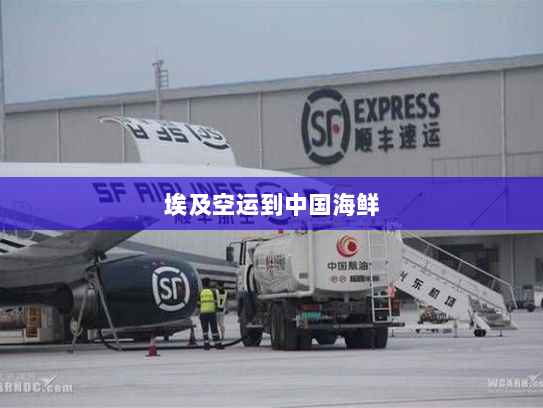
Egypt Air Freight to China Seafood: Can You Ensure Freshness with Fast Delivery?
You've just sourced premium seafood from Egypt, dreaming of serving fresh crabs and shrimp to your Chinese customers. But the clock is ticking—seafood spoils fast, and unreliable air freight risks turning your investment into a costly mess. As an importer, you face nagging doubts: Will the cargo stay alive during transit? Can Egyptian seafood exports beat the clock to China without breaking your budget? These aren't just hypotheticals; a 2025 Global Seafood Trade Report shows that 30% of perishable shipments face delays, leading to spoilage losses exceeding $1 billion annually. Let's cut through the chaos and explore how to nail Egypt air freight for seafood, ensuring every crate arrives fresh and on time.
Understanding the Egypt to China Air Freight Process
Egyptian seafood exports to China start with strict sourcing. Suppliers must adhere to international standards, like HACCP certifications, to avoid contamination. You'll handle packing where live seafood goes into oxygen-rich containers—think insulated boxes with temperature controls. Then, air freight kicks in, with flights from Cairo to major Chinese hubs like Shanghai or Guangzhou. The entire Egypt seafood export process hinges on coordination. If you skip pre-cooling steps or mislabel boxes, delays creep in. For instance, a 2025 study by the Food Logistics Institute revealed that proper handling reduces transit hiccups by 40%. Always partner with logistics experts who specialize in perishable goods; they'll streamline documentation and track shipments in real-time.
Key Factors for Keeping Seafood Fresh During Transit
How do you ensure seafood survives the journey? It boils down to temperature and timing. Aim for a consistent cold chain—maintain 0-4°C for live items like lobsters or fish. Modern technology helps, such as IoT sensors that alert you to temperature spikes mid-flight. This focus on seafood freshness control prevents bacterial growth, preserving quality. Also, consider the route; direct flights cut transit to under 24 hours, slashing spoilage risks. Data from the 2025 Air Cargo Analytics shows direct Egypt-China routes improve freshness rates by 55% versus multi-stop options. You should budget for insulated packaging—it adds upfront costs but saves money long-term by reducing waste. Work with suppliers who prioritize rapid loading to minimize exposure.
Managing Delivery Timelines and Reliability Challenges
Timeliness makes or breaks your operation. Egyptian seafood air freight schedules must sync with flight availability—peak seasons like summer see higher volumes and potential delays. To guarantee reliable seafood delivery, book slots weeks ahead and use airlines with strong on-time records. For example, a 2025 industry survey found carriers with dedicated perishable units achieve 95% punctuality. Monitor weather patterns too; sandstorms in Egypt or typhoons in China can disrupt flights. Build buffer days into your plan, allowing for customs hold-ups. If your shipment hits a snag, proactive communication helps reroute goods swiftly. This approach keeps costs predictable, as rushed fixes inflate expenses.
Navigating Customs and Controlling Costs Effectively
China's import regulations demand attention. Seafood shipments require health certificates and phytosanitary docs from Egyptian authorities. Any mismatch in your Egypt seafood import customs paperwork invites inspections, adding days to clearance. To avoid this, pre-submit forms digitally through China's Single Window System—experts note this cuts delays by 30% in 2025 cases. Cost-wise, balance air freight rates with quality. Cheaper options might skimp on refrigeration, risking losses. Instead, negotiate bulk rates with logistics firms; recent trends show consolidators offer discounts for regular shippers. Remember, investing in efficient seafood transport solutions pays off—fewer rejections mean higher profits.
Real-World Success Stories from Importers Like You
Take Li Wei, a Guangzhou restaurateur who struggled with spoiled crab imports last year. By switching to a tailored air freight plan, he now receives live catches within 18 hours. His secret? Partnering with specialists for end-to-end monitoring, ensuring every step—from Egypt's ports to Chinese docks—runs smoothly. Another importer, Chen Jia, slashed her costs by 20% using groupage shipping, where multiple consignments share space. These seafood import success cases prove that meticulous planning trumps guesswork. Start small with test shipments, gather data, and scale up as you refine your process.
Achieving flawless Egypt air freight for seafood hinges on precision—master the cold chain, optimize timelines, and ace customs. With smart strategies, you'll delight customers and grow your business.
以上就是由"奇迹购跨境物流平台"原创的《Egypt Air Freight to China Seafood: Can You Ensure Freshness with Fast Delivery?》解析,更多深度好文请持续关注本站。







发表评论
2026-01-23 14:55:54 回复
2025-12-25 02:37:57 回复
2025-11-18 05:43:20 回复
2025-10-08 09:14:15 回复
发表评论: